
Service
Stem Cell Treatment
OVERVIEW
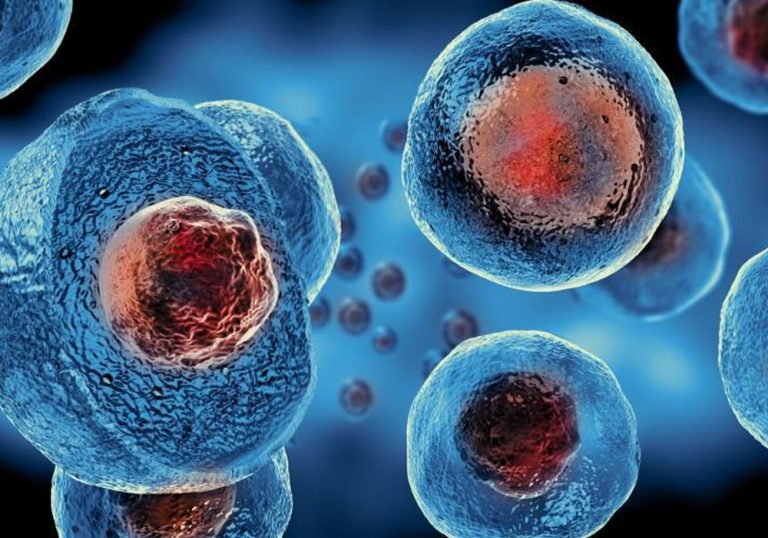
Stem cell treatment is an innovative medical approach that uses stem cells to repair and regenerate damaged tissues and organs. Stem cells have the unique ability to differentiate into various types of cells, making them a powerful tool in regenerative medicine. This treatment is used to address a wide range of conditions, including orthopedic injuries, degenerative diseases, and autoimmune disorders. Stem cell therapy aims to promote natural healing and tissue repair, offering a potential alternative to traditional treatments such as surgery and medication. The procedure is typically minimally invasive and can provide significant improvements in pain relief, function, and overall quality of life.
USE CASES
Stem cell treatment is utilized for various medical conditions, primarily those involving tissue damage or degeneration. In orthopedics, it is commonly used to treat joint injuries, osteoarthritis, and tendon or ligament damage. It can also be beneficial for patients with degenerative disc disease or spinal conditions. Beyond orthopedics, stem cell therapy has shown promise in treating autoimmune diseases like rheumatoid arthritis and multiple sclerosis. Additionally, it is being explored for its potential to repair cardiac tissue following heart attacks, improve outcomes in certain neurological conditions, and promote healing in chronic wounds. This versatile treatment offers hope for patients who have not responded well to conventional therapies.
Procedure
The stem cell treatment procedure typically involves harvesting stem cells from the patient’s own body, usually from bone marrow or adipose (fat) tissue. The harvested cells are then concentrated and prepared for injection. The procedure begins with the patient receiving local anesthesia to numb the harvest site. Using a needle, the physician extracts the stem cells, which are processed in a centrifuge to concentrate the most potent cells. These concentrated stem cells are then injected directly into the damaged area, such as a joint or tendon, under ultrasound or fluoroscopic guidance. The entire process is usually completed in a single outpatient visit, with minimal discomfort and a short recovery period.
Complications
While stem cell treatment is generally considered safe, there are potential risks and complications. These can include infection at the injection or harvest site, which requires prompt medical attention. Some patients may experience pain or swelling at the site of the injection, which typically resolves within a few days. There is also a risk of an adverse reaction to the anesthesia used during the procedure. In rare cases, the injected stem cells may cause unintended effects, such as abnormal tissue growth or an immune response. It is essential for patients to discuss these risks with their healthcare provider and to follow post-procedure care instructions to minimize complications.
Benefits
Stem cell treatment offers numerous benefits, particularly for those with chronic pain or degenerative conditions. The primary advantage is the potential for significant pain relief and improved function without the need for invasive surgery. Stem cell therapy promotes natural healing and tissue regeneration, which can lead to long-lasting improvements in the affected area. Additionally, because the stem cells are typically harvested from the patient’s own body, the risk of rejection or allergic reaction is minimal. This treatment also reduces the reliance on medications, which can have adverse side effects. Overall, stem cell therapy provides a promising and effective alternative for patients seeking to enhance their quality of life through regenerative medicine.